But we can.
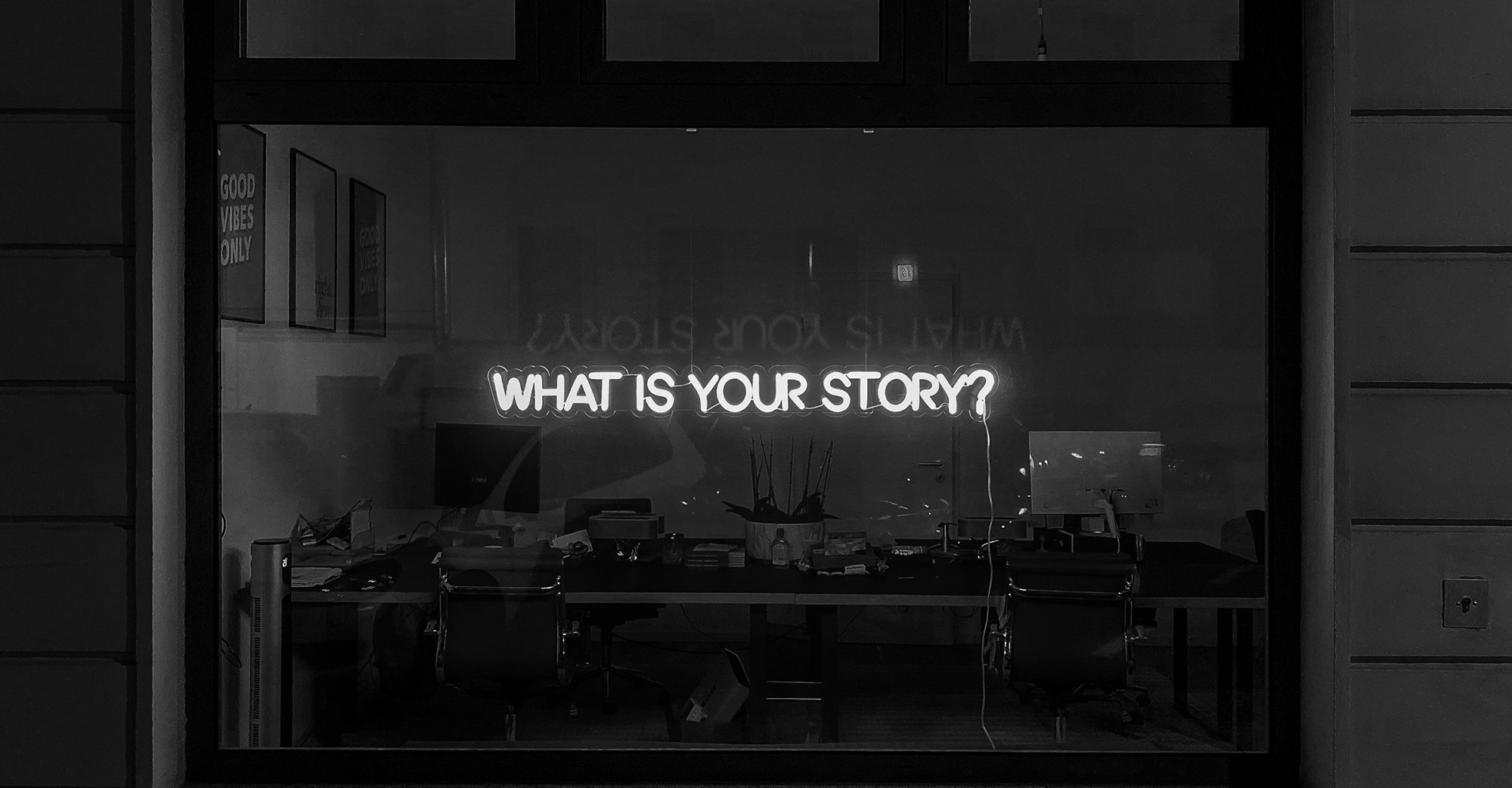
We believe the best way to stand out is to be remembered for the story only you can tell, because in a world of polished sameness, good becomes invisible while that which is distinct stays with people. We also don’t pretend decisions are made like spreadsheets. In real life, people decide quickly, guided by recognition, familiarity, and what comes to mind with ease. What feels clear and effortless often feels true, and what feels familiar often feels safer than what needs explaining.
That is why our process runs in reverse. Instead of adding more claims, more features, and more noise, we remove everything that makes the right conclusion hard to reach. We ask what must be true for someone to understand you in seconds. We ask which wrong interpretation we need to make impossible. We ask what single idea a buyer could repeat to a colleague without thinking. From there we design for how choice actually happens. We shape the framing that changes meaning, build consistent signals that earn trust through familiarity, and create distinctive cues that spark instant recognition. The result is not just a better looking brand. It is a brand with leverage. One that is remembered faster, trusted sooner, and recommended more often because choosing you feels right before it is fully explained.
Most brands don’t lose because they’re bad. They lose because they’re forgettable.
In most categories, “good” is the baseline. Everyone is polished. Everyone is competent. Everyone promises the same outcomes. When that happens, the market stops evaluating in depth and starts choosing by shortcuts. People pick what feels familiar, what is easiest to understand, and what they can recall in the moment a decision is made.
This is not a weakness. It’s how humans handle complexity. Attention is limited. Time is limited. Confidence is fragile. If your meaning is unclear, if your cues look like everyone else’s, or if your story takes too long to land, people don’t reject you. They simply move on.
Our job is to make that impossible.